WANT TO THE SAVE MONEY WITH POWER OF SUN ?
START YOUR HASSLE - FREE SAVING TODAY WITH ROOF TOP SOLAR SYSTEMS FROM VENEZIA

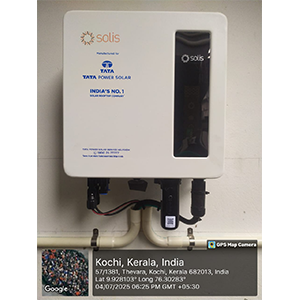
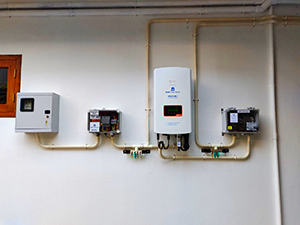
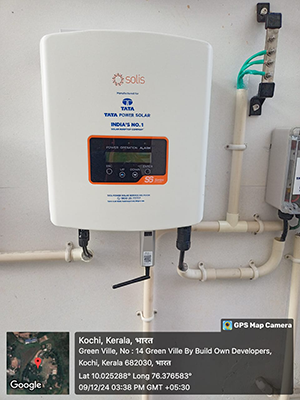
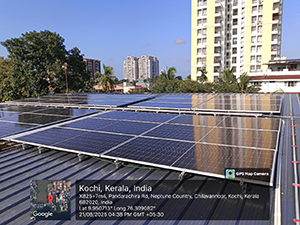
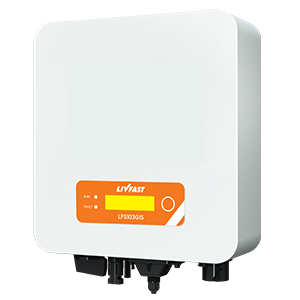
A solar rooftop system ( Grid Tied System/ On grid System ) typically consists of solar modules, solar inverter(s) and other electrical components such as meter(s), cables etc. Any excess electricity generated is exported to the State electricity grid and owner's account is credited accordingly, subject to prevailing regulatory policies.
The capacity of solar installation depends on;
Solar modules are made of Silicon wafers, a semiconductor. Photons (particles of light) from the sun's radiation knock out electrons when they fall on the wafers and a Direct Current (DC) electricity flow is established using the semiconductor properties.
A grid-connected solar rooftop system is designed to work in synchronization with the utility electricity grid. During normal conditions, the system generates solar power and supplies it to your home or business while remaining connected to the grid. However, during a grid outage, this type of solar system automatically stops producing electricity, even if sunlight is available. This shutdown is a built-in safety feature to prevent solar power from flowing back into the grid, which could endanger utility workers repairing the lines.
Because of this limitation, a standard grid-connected solar system cannot provide backup power during power cuts. When the grid goes down, the inverter immediately disconnects the solar system, and electricity supply from solar panels is halted. As a result, users may still experience complete power loss during outages despite having solar panels installed on their rooftops.
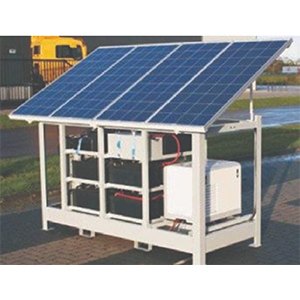
On the other hand, solar systems equipped with batteries are designed to overcome this issue. These systems not only store excess solar energy for backup but also continue to generate electricity from solar panels during grid outages. Such systems can power essential loads independently of the grid, ensuring uninterrupted electricity supply. This functionality is explained in detail under the OFF-GRID section, where battery-based and hybrid solar solutions are discussed further.